
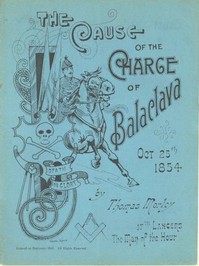
The Cause of the Charge of Balaclava by Thomas Morley
Thomas Morley had a front-row seat to one of history's most famous military disasters. In The Cause of the Charge of Balaclava, he doesn't just recount the battle; he puts the events of October 25, 1854, on trial. The book is his attempt to answer the question that haunted survivors and the British public: whose fault was it?
The Story
The story starts with confusion on a foggy battlefield. Orders were sent, but were they clear? The command for the Light Brigade to charge was delivered by Captain Louis Nolan, who then died in the first minutes of the attack. With the main messenger gone, the blame game began. Lord Cardigan, who led the charge, said he was just following orders. Lord Lucan, who relayed the order, said it was clear. The commander-in-chief, Lord Raglan, watched in horror from a hilltop, furious that his vague instruction was so catastrophically misinterpreted.
Morley walks us through each man's version of events. He looks at the handwritten notes, the personalities of the aristocratic officers, and the toxic mix of rivalry and incompetence that plagued the British high command. The narrative builds like a slow-motion train wreck, where you see every missed chance to stop it.
Why You Should Read It
This book grabbed me because it's about people, not just dates and troop movements. Morley writes with the frustration of someone who saw his friends die for no good reason. He's not a neutral historian; he's a witness with an axe to grind, and that passion is contagious. You feel his anger at the sheer waste of it all.
The real theme here is the danger of unclear communication and unearned authority. In an age before radios, a poorly written note could mean death. It’s also a stark look at how institutions protect themselves. The official inquiry after the war was a whitewash, blaming no one. Morley isn't having it. He points fingers, and his conclusions are still debated by historians today.
Final Verdict
Perfect for history buffs who like their facts served with a side of drama, and for anyone who enjoys a real-life mystery. It's also a short, focused read—you can finish it in a couple of sittings. If you only know the Charge from the poem 'Into the valley of Death rode the six hundred,' this book will give you the shocking, human story behind those famous words. Just be prepared to get a little mad at some long-dead generals.
The copyright for this book has expired, making it public property. Enjoy reading and sharing without restrictions.
Christopher Hernandez
10 months agoFinally found a version that is easy on the eyes.
Betty Martin
1 year agoComprehensive and well-researched.
Elijah Scott
1 year agoEnjoyed every page.
Christopher Davis
1 year agoTo be perfectly clear, the pacing is just right, keeping you engaged. I will read more from this author.


Matthew Rodriguez
5 months agoThe clarity of the concluding remarks is very professional.